ADVERTISEMENT
ADVERTISEMENT
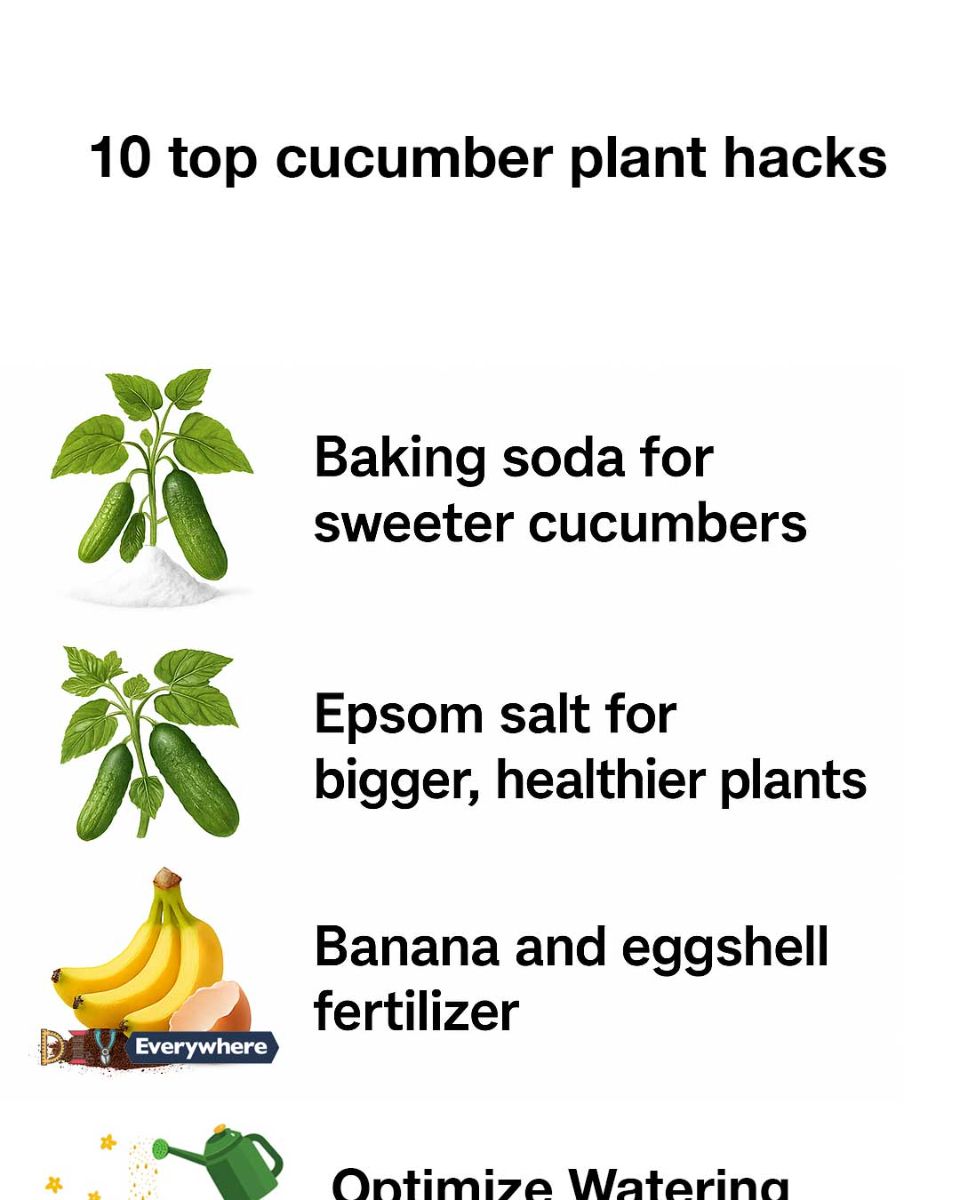
10 top cucumber plant hacks
Cucumbers require consistent moisture to thrive, and a drip irrigation system is an efficient way to ensure they receive the right amount of water. Drip irrigation delivers water directly to the plant’s roots, reducing evaporation and water waste.
To set up a drip irrigation system, you can purchase a kit from a garden center or create your own using a hose, emitters, and connectors. Position the emitters near the base of each cucumber plant and set a timer to water the plants early in the morning or late in the afternoon to minimize evaporation.
5. Train Vines with a Trellis for Better Yield
Training cucumber vines to grow vertically on a trellis can improve air circulation and sunlight exposure, leading to healthier plants and higher yields. A trellis also makes harvesting easier and reduces the risk of fruit rot by keeping cucumbers off the ground.
To build a simple trellis, use wooden stakes or metal poles and attach a sturdy netting or wire mesh. As the cucumber vines grow, gently guide them onto the trellis, securing them with soft ties if necessary. Regularly check the vines to ensure they are properly supported and adjust as needed.
6. Mulch to Retain Moisture and Suppress Weeds
Mulching is an effective way to retain soil moisture and suppress weed growth, both of which are beneficial for cucumber plants. Organic mulches like straw, grass clippings, or shredded leaves are ideal, as they decompose over time and enrich the soil.
Apply a 2-3 inch layer of mulch around the base of your cucumber plants, being careful not to cover the stems. This will help maintain consistent soil moisture and temperature, reducing stress on the plants and promoting healthy growth.
7. Companion Planting for Natural Pest Control
Companion planting involves growing certain plants together to enhance growth and deter pests. For cucumbers, planting marigolds, nasturtiums, or radishes nearby can help repel common pests like aphids and cucumber beetles.
Additionally, herbs like dill and basil can attract beneficial insects that prey on pests. By incorporating companion plants into your garden, you can reduce the need for chemical pesticides and create a more balanced ecosystem.
8. Prune Regularly for Healthier Plants
Regular pruning helps cucumber plants focus their energy on producing fruit rather than excessive foliage. Remove any yellowing or diseased leaves, as well as any lateral shoots that appear below the first set of true leaves.
Pruning also improves air circulation, reducing the risk of fungal diseases. Use clean, sharp scissors or pruning shears to make clean cuts, and avoid removing more than one-third of the plant at a time to prevent stress.
9. Use Coffee Grounds to Enrich Soil
Coffee grounds are a great source of nitrogen, which is essential for healthy cucumber growth. They also improve soil structure and attract beneficial microorganisms. To use coffee grounds, sprinkle a thin layer around the base of your cucumber plants and gently work them into the soil.
Alternatively, you can add coffee grounds to your compost pile and use the compost to enrich your garden soil. Be sure not to overapply, as too much nitrogen can lead to excessive foliage growth at the expense of fruit production.
10. Protect Plants with DIY Cucumber Tents
ADVERTISEMENT
