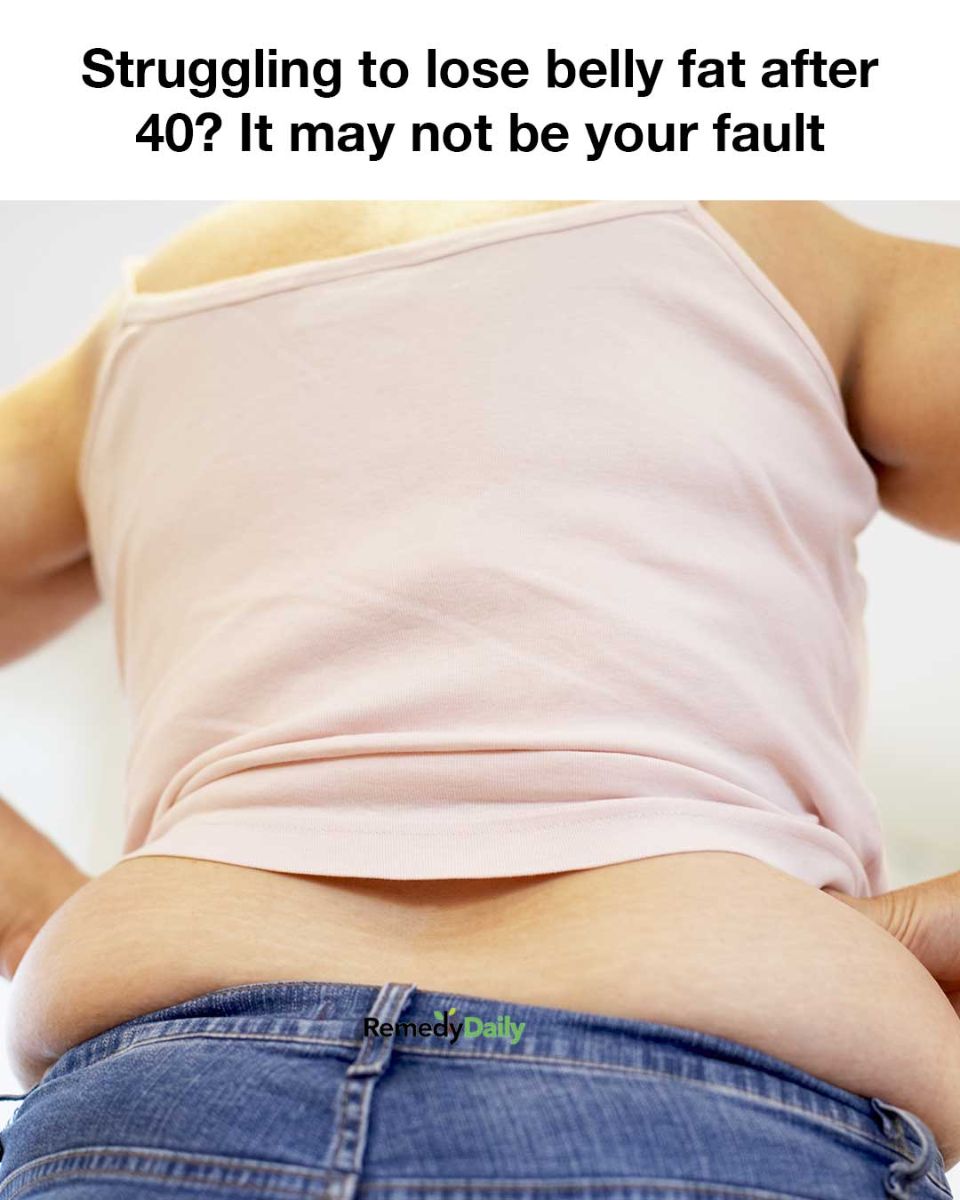
As we age, our bodies undergo numerous changes, many of which can make maintaining a healthy weight more challenging. For those over 40, losing belly fat can seem particularly difficult, often leading to frustration and self-blame. However, it’s important to understand that these struggles are not solely due to personal choices or lack of effort.
There are several biological, hormonal, and lifestyle factors that contribute to weight gain and the accumulation of belly fat as we age. By understanding these factors, we can approach weight loss with more compassion and effectiveness, focusing on strategies that work with our bodies rather than against them.
1. Understanding the Biology of Belly Fat After 40
As we age, our body’s composition changes, leading to an increase in fat mass and a decrease in muscle mass. This shift in body composition can result in a higher percentage of body fat, particularly around the abdominal area. Research shows that after the age of 30, people tend to lose about 3-5% of their muscle mass per decade, and this rate can increase after 40.
Additionally, visceral fat, which is the fat stored within the abdominal cavity, tends to increase with age. This type of fat is particularly concerning because it surrounds vital organs and is associated with higher risks of metabolic diseases such as diabetes and heart disease.
2. The Role of Hormonal Changes in Weight Gain
Hormonal changes play a significant role in weight gain after 40, especially for women. As women approach menopause, levels of estrogen decrease, which can lead to an increase in abdominal fat. Studies have shown that postmenopausal women have a higher percentage of visceral fat compared to premenopausal women.
For men, testosterone levels gradually decline with age, which can also contribute to an increase in body fat and a decrease in muscle mass. These hormonal shifts can alter how the body stores fat and uses energy, making weight management more challenging.
3. Metabolism Slowdown: A Natural Process
Metabolism naturally slows down with age, which means the body requires fewer calories to maintain its basic functions. This slowdown is partly due to the loss of muscle mass, as muscle tissue burns more calories than fat tissue. After the age of 40, the basal metabolic rate (BMR) can decrease by about 1-2% per decade.
This reduction in metabolic rate means that even if dietary habits remain unchanged, the body may start to store more fat, particularly around the belly. Understanding this natural process can help in adjusting dietary and exercise habits to better align with the body’s changing needs.
4. Stress and Its Impact on Belly Fat
Chronic stress is a significant contributor to weight gain, particularly around the abdomen. When stressed, the body releases cortisol, a hormone that can increase appetite and lead to cravings for high-calorie foods. Elevated cortisol levels have been linked to an increase in visceral fat.
Moreover, stress can lead to emotional eating and disrupted sleep patterns, both of which can further contribute to weight gain. Managing stress through techniques such as mindfulness, meditation, and regular physical activity can help mitigate its impact on belly fat.
5. Sleep Patterns and Their Influence on Weight
see next page 💕👇
ADVERTISEMENT
ADVERTISEMENT
