Is It a Replacement for Medication?
While results are encouraging, saffron should not automatically be considered a replacement for prescribed ADHD medications.
Key points to consider:
-
Studies are still relatively small in scale.
-
Long-term safety data in children is limited.
-
Dosage standardization matters significantly.
-
Individual responses can vary.
Parents should always consult a qualified healthcare professional before introducing saffron supplements, especially if the child is already taking stimulant medication.
Safety and Tolerability
Most clinical trials report that saffron extract at 30 mg per day is generally well tolerated, with minimal side effects. However, higher doses may cause adverse reactions, and quality control of supplements is crucial.
The Bottom Line
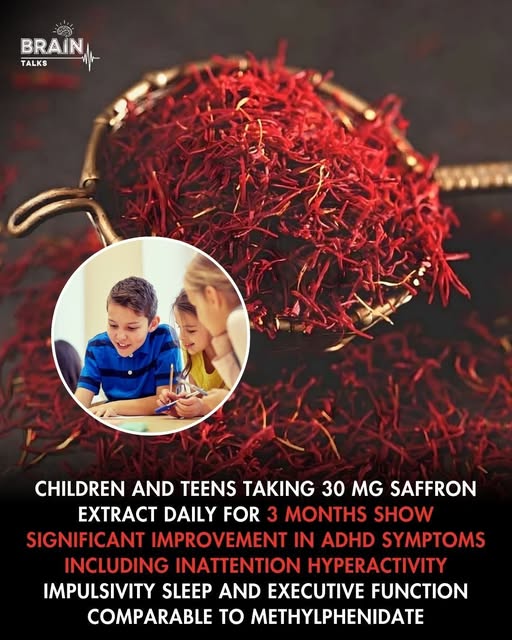
Emerging research suggests that saffron extract may offer promising support for managing ADHD symptoms in children and teens, particularly in attention, hyperactivity, impulsivity, and sleep quality. Some findings indicate effects comparable to methylphenidate over short-term use.
However, more large-scale and long-term studies are needed before saffron can be considered a standard treatment option.
Natural does not always mean risk-free — but when guided by medical supervision, saffron may become an important complementary tool in ADHD management.
ADVERTISEMENT
