7. Limitations and Challenges
Despite promising preclinical results, several barriers remain:
-
Poor aqueous solubility
-
Volatility and chemical instability
-
Potential cytotoxicity at high concentrations
-
Lack of standardized dosing
-
Limited in vivo and clinical data
Moreover, most current evidence is based on in vitro experiments, which may not fully replicate complex in vivo biofilm environments.
8. Future Perspectives
Future research directions should include:
-
Detailed molecular pathway mapping
-
Multi-omics approaches (transcriptomics, proteomics)
-
Evaluation in animal infection models
-
Clinical trials for chronic wound infections, dental biofilms, and implant-associated infections
-
Toxicological profiling and pharmacokinetic studies
Integration with biomaterials (e.g., coating medical devices with cinnamaldehyde-based formulations) represents another promising avenue.
Conclusion
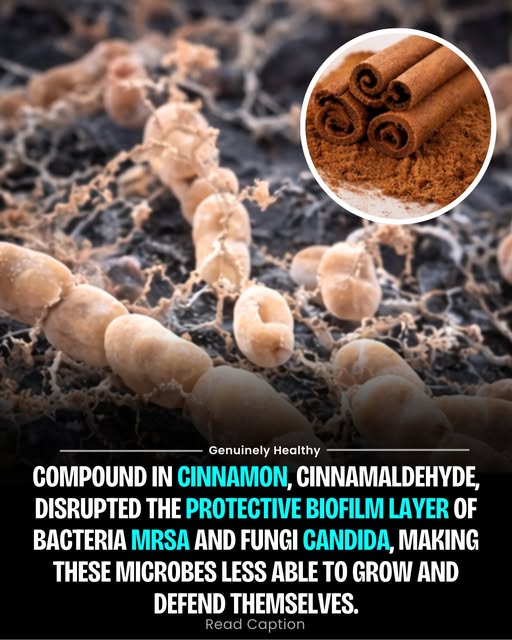
Cinnamomum and cinnamaldehyde represent potent natural antibiofilm agents with multifaceted mechanisms targeting adhesion, quorum sensing, EPS production, membrane integrity, and virulence regulation. Their broad-spectrum activity against bacterial and fungal pathogens, including resistant strains, highlights their therapeutic potential.
However, translational advancement requires overcoming formulation challenges and validating efficacy and safety through rigorous in vivo studies and clinical trials. With continued research, cinnamaldehyde may become an important adjunct or alternative strategy in the management of biofilm-related infections.
ADVERTISEMENT
