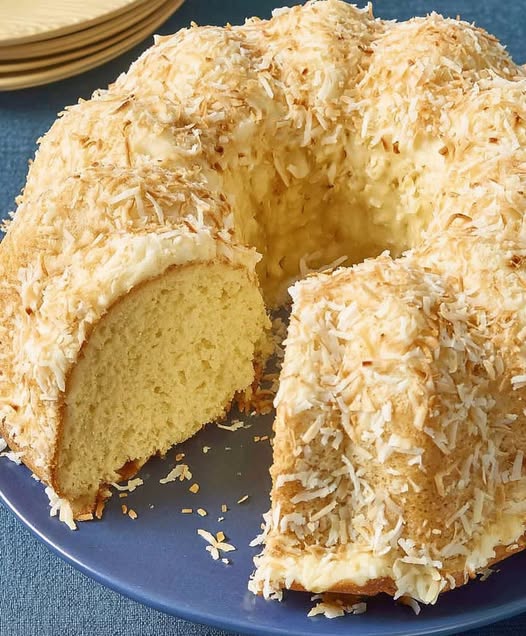
Each form of coconut contributes uniquely. Shredded coconut adds a delightful chewiness and visible appeal, making every slice a visual and textural delight. Coconut milk, often a star in vegan baking for its richness, offers an unparalleled depth of moisture that oils and regular milk simply can’t replicate in the same way. It’s this combination that builds layers of coconut essence, ensuring that from the first scent to the final swallow, there’s no mistaking the star of the show. But how do these elements interact to create such a moist and flavorful cake?
The secret lies in the fat content and natural sweetness of coconut. Unlike dairy, coconut fats are easily absorbed, leading to a tender crumb that resists drying out. This makes it an ideal ingredient for a Bundt cake, which often has a larger surface area exposed to heat. Understanding these nuances is the first step towards baking a cake that doesn’t just taste good, but feels like a soft cloud melting in your mouth. Ready to dive into the essential components?
The Essential Blueprint: Must-Have Ingredients for Your Bundt Masterpiece
Flour Power: Choosing the Right Foundation
Every magnificent cake starts with the right flour, and for a Coconut Bundt Cake, all-purpose flour is your trusty companion. It strikes the perfect balance between protein content for structure and tenderness. While cake flour might seem tempting for an even softer crumb, all-purpose provides the necessary stability for the Bundt’s iconic shape without making the cake too delicate to handle. Remember, precision in measuring flour is paramount – too much, and your cake can be dry and dense; too little, and it might struggle to hold its form.
The way you measure flour can drastically impact your outcome. The common “scoop and level” method can add up to 25% more flour than needed, leading to a heavy cake. For best results, spoon the flour into your measuring cup and then level it off with a straight edge. This seemingly minor detail can be the difference between a good cake and an extraordinary one. It’s one of those insider tips that seasoned bakers swear by, ensuring your Bundt has that desirable light-but-stable texture. But what about the other unsung heroes of the ingredient list?
Beyond flour, ingredients like baking powder and baking soda play their roles diligently. Baking powder, usually double-acting, works twice: once when mixed with wet ingredients and again when heated in the oven, providing a consistent lift. Baking soda, on the other hand, needs an acidic component to activate, often found in ingredients like buttermilk or, in some coconut cake variations, even a hint of vinegar. Getting these leavening agents right is crucial for that characteristic fluffy rise. Now, let’s talk about the liquid gold that truly makes this cake sing.
The Golden Trio: Sugar, Eggs, and Butter – Your Flavor Foundation
No great cake exists without the foundational trio: sugar, eggs, and butter. Granulated sugar provides sweetness and helps tenderize the crumb, contributing to that desirable moist texture. It also aids in browning, giving your Bundt that appealing golden hue. When creaming butter and sugar, you’re not just mixing; you’re incorporating air, which is fundamental for a light and airy cake structure. This creaming process, often underestimated, is where the magic truly begins to happen, setting the stage for the cake’s ultimate texture.
Eggs, the unsung heroes, are multifaceted powerhouses. They provide structure, act as an emulsifier to bind ingredients, and contribute richness and moisture. Large eggs are typically standard in baking recipes because of their consistent size, which ensures proper balance in the recipe’s liquid-to-dry ratio. Always ensure your eggs are at room temperature before mixing; this allows them to emulsify more effectively with the butter and other ingredients, leading to a smoother batter and a more uniform texture in the final product. It’s a small step that yields significant rewards.
And then there’s butter. Unsalted butter is preferred, as it gives you control over the salt content in your recipe. Butter provides incredible flavor, richness, and contributes to the cake’s tenderness. Like eggs, having your butter at room temperature is crucial for proper creaming. If it’s too cold, it won’t cream properly; if it’s too warm, it might result in a greasy cake. Getting this right is a cornerstone of classic cake baking, but what about the star flavor that sets this cake apart?
Coconut Core: Milk, Flakes, and Extract
Here’s where the coconut takes center stage. Full-fat canned coconut milk, not the beverage kind, is essential for maximum moisture and deep coconut flavor. Its rich texture and high-fat content are what give this Bundt cake its signature melt-in-your-mouth tenderness. Don’t be tempted to substitute with light coconut milk or dairy milk; the results will simply not be the same. This is where a significant portion of the tropical essence comes from, infusing every fiber of the cake.
Sweetened shredded coconut is your textural and visual component. It disperses throughout the batter, providing delightful chewy pockets and a concentrated burst of coconut sweetness. For an even more intense flavor, some recipes call for toasting a portion of the shredded coconut before incorporating it into the batter or using it as a garnish. This simple step unlocks a deeper, nuttier dimension to the coconut, transforming it from merely sweet to profoundly aromatic. It’s a game-changer you might not have considered.
ADVERTISEMENT
