Kitchen Confessions and Lessons I’ve Learned
Blender Overkill
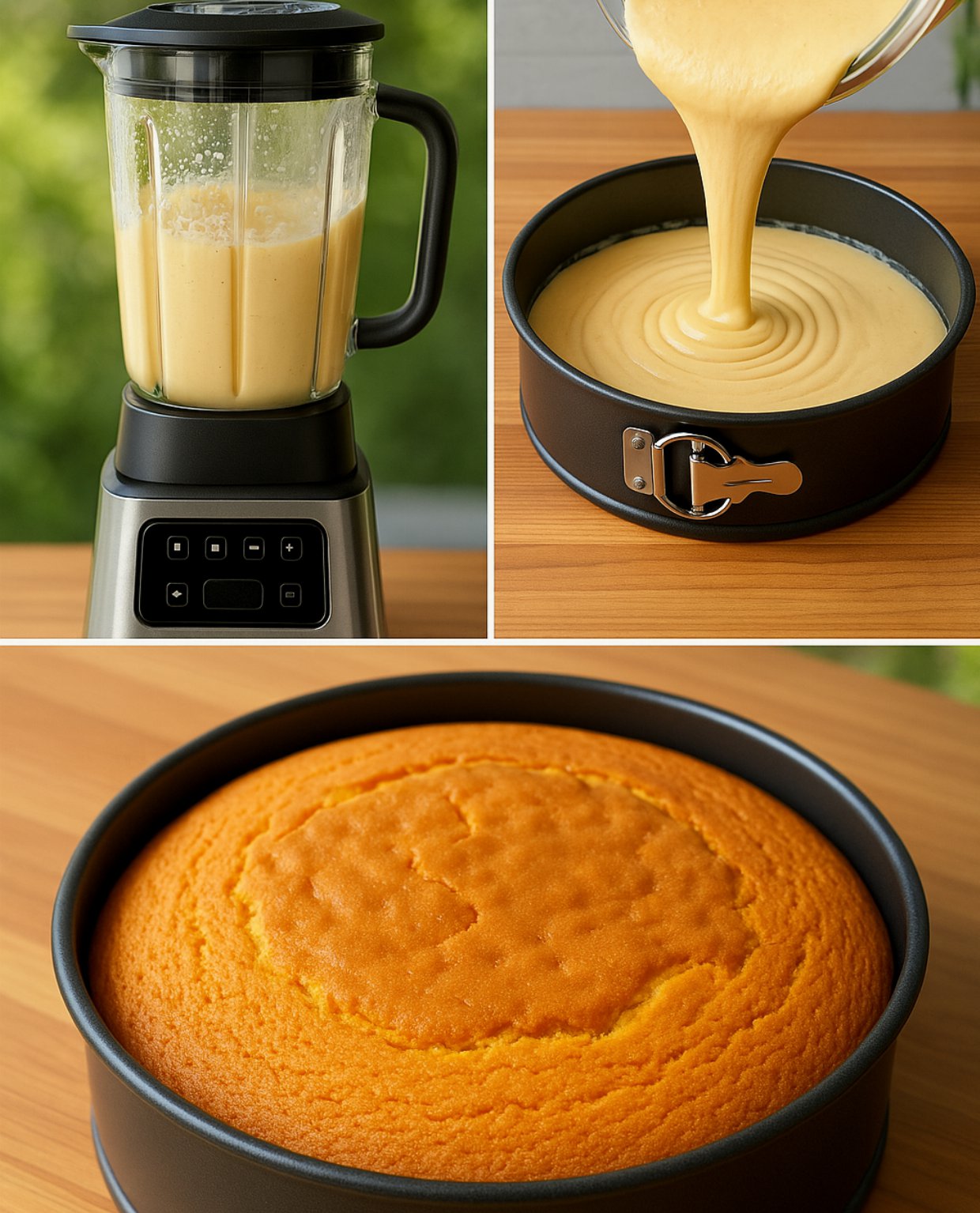
The first time I made this, I ran the blender way too long trying to get the batter super smooth. Big mistake. It overdeveloped the gluten and made the cake dense. Now, I blend just enough to combine and then stop. Gentle blending is key for that soft, airy texture.
Orange Zest Troubles
Another time, I used an old grater that shredded the peel instead of zesting it. The large pieces made the cake bitter. Since then, I’ve invested in a fine zester that makes all the difference. Use it over a bowl to catch every aromatic bit of zest it’s liquid gold in citrus baking.
Trying Fancy Add-Ins
I once added cocoa powder to the batter hoping for a chocolate-orange combo. It was okay, but it muted the citrus too much. Orange is a delicate flavor and deserves to be the star. If you want a chocolate treat, try the nutella doughnuts recipe it delivers serious chocolate bliss without compromise.
Storing Without Drying Out
This cake stays moist thanks to the oil, but you still need to store it properly. I let it cool completely, then wrap it in parchment and store it in an airtight container. Once, I left it uncovered overnight and it dried out fast. Lesson learned: treat your cake with care and it’ll reward you for days.
“A blender and a few oranges turned my kitchen into a bakery. It’s that easy.” – @CitrusCraze
More Lessons From My Orange Scented Kitchen
Getting the Orange Flavor Just Right
One of the trickiest things I’ve learned while baking this orange blender cake is that not all oranges are created equal. Some are sweeter, some more tart, and some don’t carry much flavor at all. I once used store-bought juice and the cake turned out bland. Ever since, I only use fresh oranges and taste the juice before it goes into the batter. If it’s too sour, I’ll reduce the vinegar slightly or add an extra teaspoon of sugar. The zest, though, is non-negotiable. That’s where the real flavor lives. I always zest two full oranges to guarantee a bright citrus burst in every bite.
Why I Avoid Overloading the Blender
Blenders are fast but not always forgiving. Once, I threw all the dry ingredients into the blender to save time. Big mistake. The motor got overwhelmed, the batter turned gummy, and flour clumps stuck to the blade. Now, I stick to blending only the wet ingredients and mixing the dry separately. I combine them gently in stages just a few pulses or short blends to preserve that airy, fluffy structure. If you’re tempted to toss everything in at once, don’t. Trust me, your cake (and your blender) will thank you.
Pan Prep Secrets That Changed Everything
For a long time, I greased my pans with oil spray and hoped for the best. Then I had a cake stick halfway and collapse on the cooling rack. It broke my baker’s heart. Since then, I’ve started lining the bottom of the pan with parchment and dusting the greased sides with a bit of flour. It releases cleanly every single time. This small step takes seconds but makes a world of difference when unmolding your blender cake.
Serving Styles to Impress Guests
I’ve served this orange cake so many ways, and with just a few tweaks, you can transform it into a showstopper. Presentation matters, especially when sharing it with guests or bringing it to a brunch table. Here are some of my favorite ways to serve it:
- Powdered sugar dusting: A simple dusting gives it a rustic, bakery-style finish
- Orange glaze: Mix powdered sugar with a little orange juice and drizzle for extra sweetness
- Fresh fruit: Top with sliced strawberries, blueberries, or thin orange wedges
- Whipped cream: A dollop on the side makes it feel like dessert at a fancy café
- Toasted nuts: Sprinkle chopped almonds or pistachios over the glaze for crunch
ADVERTISEMENT
