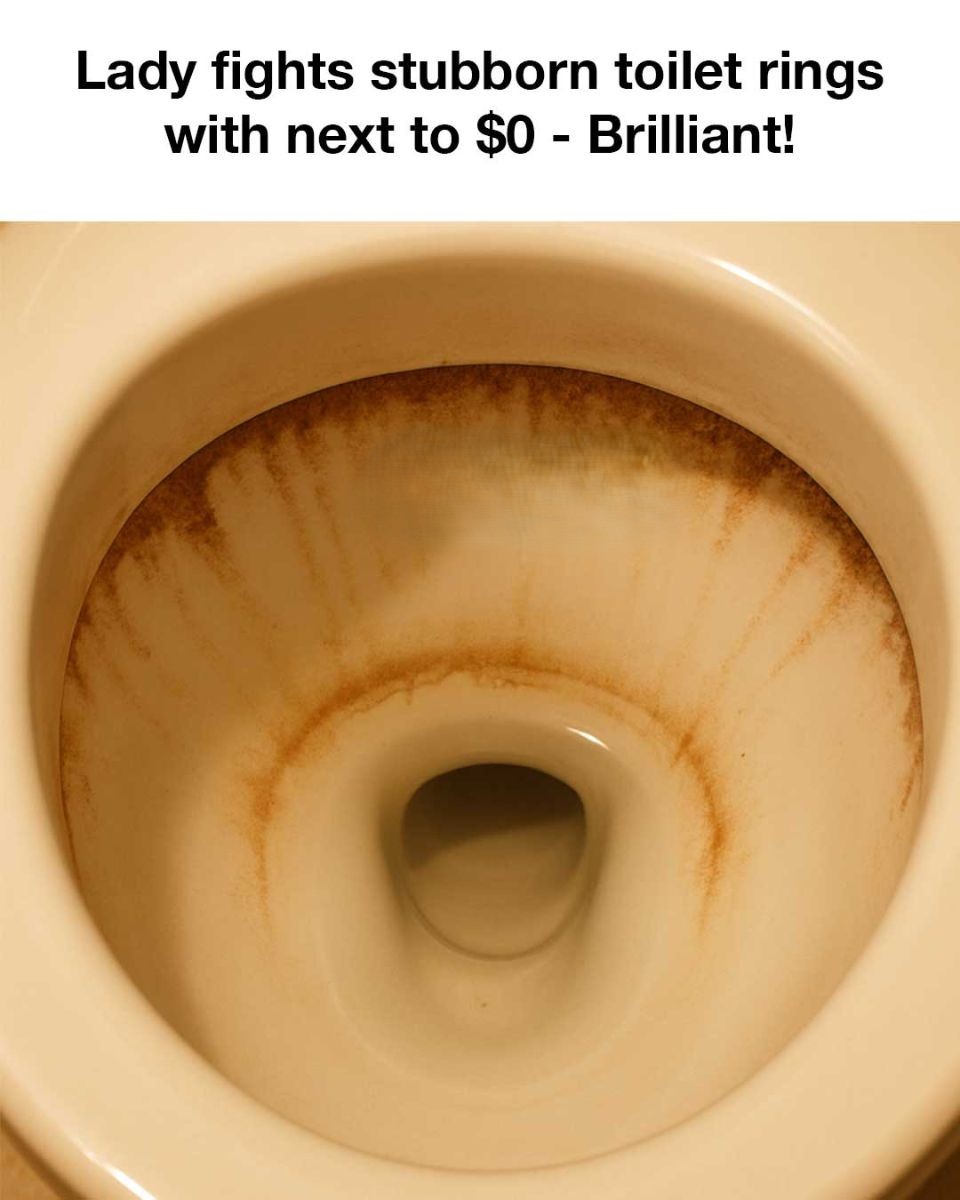
Toilet rings are a common household nuisance that can make even the cleanest bathroom appear dirty. These unsightly rings are often resistant to regular cleaning methods, leaving homeowners frustrated. The problem is exacerbated by hard water, which contains high levels of minerals like calcium and magnesium that contribute to the formation of these stubborn stains. While commercial cleaning products promise to eliminate toilet rings, they can be expensive and contain harsh chemicals. Fortunately, there are cost-effective and eco-friendly alternatives that can tackle this issue with minimal expense.
Understanding the Causes of Toilet Rings
Toilet rings form as a result of mineral deposits from hard water, combined with bacteria and mold that thrive in damp environments. When water sits in the toilet bowl, it evaporates, leaving behind minerals that adhere to the porcelain surface. Over time, these deposits build up, creating a visible ring. Factors such as water hardness, frequency of toilet use, and cleaning habits can all influence the severity of toilet ring formation. Understanding these causes is crucial for effectively preventing and addressing the problem.
The Cost-Effective Approach to Cleaning Toilet Rings
For those looking to tackle toilet rings without breaking the bank, there are several household items that can be used as effective cleaning agents. These items are not only inexpensive but also readily available in most homes. By utilizing common pantry staples like vinegar, baking soda, and even certain drink mixes, homeowners can achieve a sparkling clean toilet bowl without resorting to costly commercial cleaners.
Top 6 Viral Tips for Fighting Stubborn Toilet Rings
1. Vinegar and Baking Soda: Pour a cup of vinegar into the toilet bowl, followed by a generous sprinkle of baking soda. Let the mixture fizz and sit for at least 30 minutes before scrubbing.
2. Lemon Kool-Aid: The citric acid in lemon-flavored Kool-Aid can help dissolve mineral deposits. Pour a packet into the bowl, let it sit overnight, and scrub in the morning.
3. Borax Paste: Mix borax with a small amount of water to form a paste, apply it to the ring, and let it sit for 20 minutes before scrubbing.
4. Pumice Stone: Gently scrub the ring with a wet pumice stone, being careful not to scratch the porcelain.
5. Denture Tablets: Drop a couple of denture cleaning tablets into the bowl, let them fizz for 30 minutes, and then scrub.
6. Coca-Cola: Pour a can of Coca-Cola into the bowl, let it sit for an hour, and scrub away the stains.
How Lemon Kool-Aid Works as a Toilet Cleaner
Lemon Kool-Aid is an unexpected yet effective toilet cleaner due to its high citric acid content. Citric acid is a natural cleaning agent that can break down mineral deposits and stains. When poured into the toilet bowl, the acid works to dissolve the buildup that forms the toilet ring. This method is not only affordable but also leaves a pleasant citrus scent, making it a popular choice among DIY cleaning enthusiasts.
The Science Behind Each Cleaning Method
Each cleaning method leverages a specific chemical reaction to tackle toilet rings. Vinegar, an acetic acid, reacts with baking soda, a base, to create carbonic acid, which breaks down mineral deposits. Borax, a natural mineral, acts as a gentle abrasive and disinfectant. Pumice stones physically scrape away deposits without damaging porcelain. Denture tablets contain effervescent agents that help lift stains. Coca-Cola’s phosphoric acid can dissolve mineral buildup. Understanding these reactions helps in choosing the right method for specific cleaning needs.
Step-by-Step Guide to Applying Each Tip
ADVERTISEMENT
