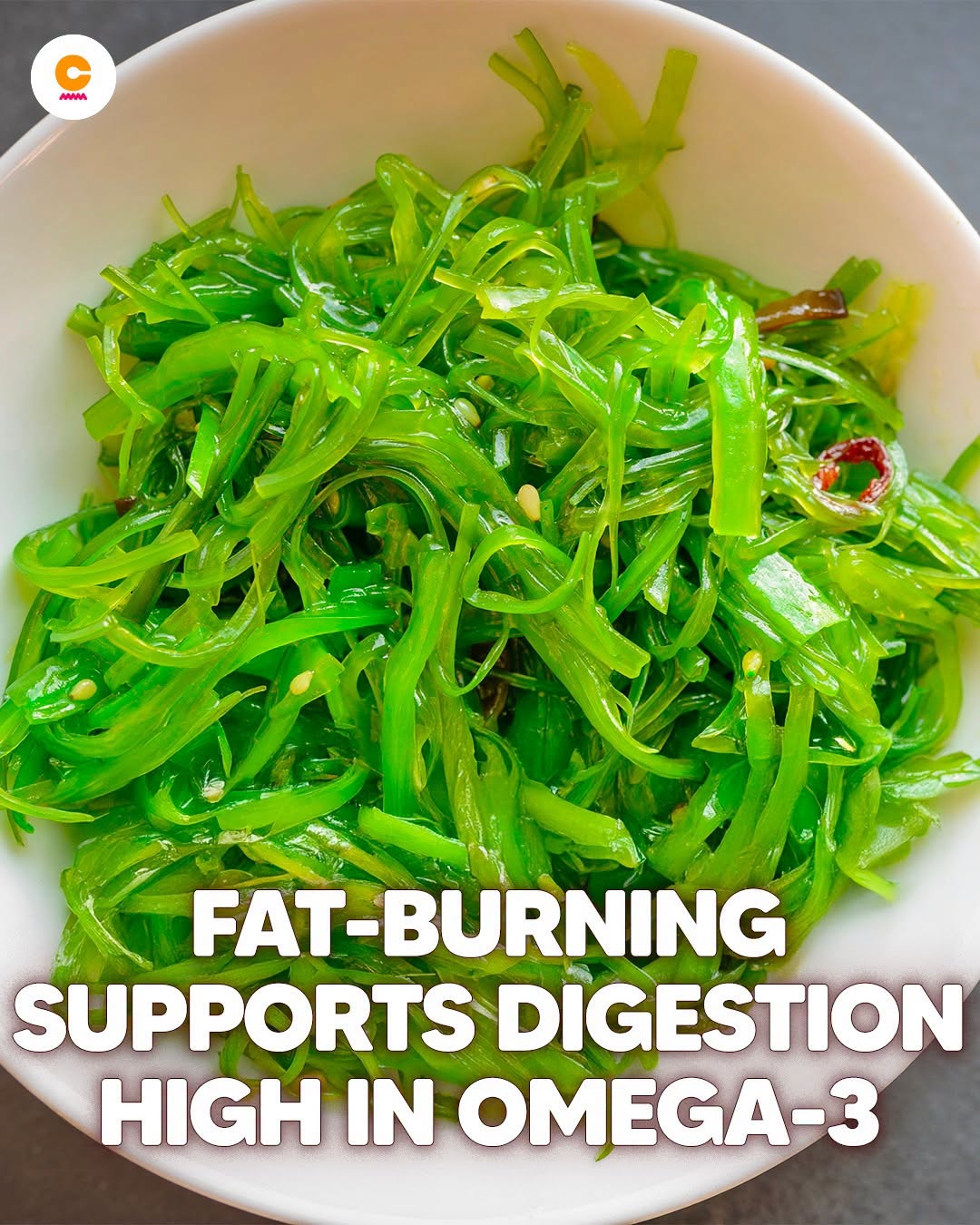
1-Weight loss support. The fucoxanthin in wakame has been shown, in mouse studies, to stimulate the expression of the UCP1 protein in white adipose tissue, promoting fat reduction.
2-Plant-based source of omega-3 fatty acids (EPA). Wakame is one of the richest vegetarian sources of EPA: every 100 kcal provides over 400 mg of this essential fatty acid, which is beneficial for cardiovascular and neurological health.
3-Improved gut health. The soluble (laminarin, fucoidan, alginates) and insoluble (cellulose) fibers in wakame can help regulate digestion and act as prebiotics, stimulating the growth of beneficial gut bacteria.
4-Regulates thyroid function. The high concentration of iodine, along with calcium and magnesium, supports thyroid metabolism and mineral balance in the body.
Flavors and Uses in The Kitchen
As mentioned previously, the flavor of wakame seaweed is unmistakably reminiscent of the sea, with salty notes and a hazelnut aftertaste. It is rich in umami , that “fifth taste” so dear to Japanese cuisine that gives depth and complexity to dishes, which is why it is so popular in its homeland.
Now that you’ve learned a lot about this seaweed, it’s important to also know its culinary uses. First, it’s possible to buy it fresh, dried, and frozen. It can be used in soups, such as miso soup, but also to enrich any vegetable broth. In the U.S., we know it as a salad, in the so-called goma wakame, in which, after soaking, it is seasoned with rice vinegar, sesame seeds, and a pinch of sugar. It’s also often found in poke or some sushi rolls.
You should know that the use of wakame seaweed is not a recent trend. Its history dates back to ancient times, when it was considered a precious gift and often offered to temples and noble courts. In Korea, however, it was already consumed during the Three Kingdoms period (until the 7th century), and the tradition of eating wakame soup for birthdays is still alive today.
ADVERTISEMENT
