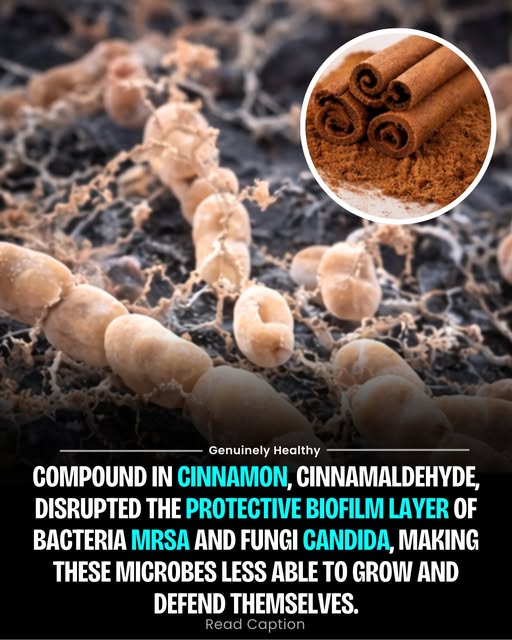
Expanded Discussion on Cinnamomum and Cinnamaldehyde in Biofilm-Associated Infections
1. Introduction: Biofilms and the Antimicrobial Resistance Crisis
Biofilm-associated infections represent one of the most persistent challenges in modern medicine. Unlike planktonic (free-floating) microorganisms, biofilm-forming pathogens organize into structured communities embedded within a self-produced extracellular polymeric substance (EPS) matrix composed of polysaccharides, proteins, lipids, and extracellular DNA. This matrix acts as a physical and chemical barrier, significantly reducing antibiotic penetration and protecting microorganisms from host immune defenses.
Biofilms are implicated in chronic wounds, catheter-associated infections, implant-related infections, dental plaque, cystic fibrosis lung infections, and recurrent urinary tract infections. Their intrinsic resistance mechanisms can increase tolerance to antibiotics by 10–1000-fold compared to planktonic cells. Consequently, novel antibiofilm strategies are urgently needed.
In this context, Cinnamomum species and their principal bioactive compound, cinnamaldehyde, have gained attention as promising natural antibiofilm agents with multitarget mechanisms of action.
2. Phytochemical Profile and Biological Properties of Cinnamomum
The genus Cinnamomum (family Lauraceae) includes several medicinally important species such as Cinnamomum verum and Cinnamomum cassia. These plants contain a rich array of bioactive compounds, including:
-
Cinnamaldehyde
-
Eugenol
-
Cinnamic acid
-
Coumarins
-
Proanthocyanidins
Among these, cinnamaldehyde is considered the primary antimicrobial and antibiofilm agent. Structurally, cinnamaldehyde is an α,β-unsaturated aromatic aldehyde capable of interacting with microbial proteins, enzymes, and membrane components, leading to multiple downstream effects.
ADVERTISEMENT
