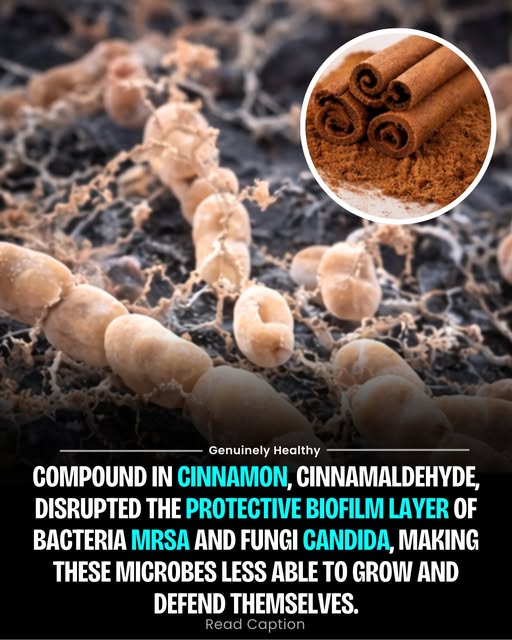
3. Mechanisms of Action Against Biofilm Formation
3.1 Inhibition of Initial Adhesion
The initial adhesion phase is critical for biofilm establishment. Cinnamaldehyde interferes with:
-
Surface hydrophobicity of bacterial cells
-
Expression of adhesins and fimbrial proteins
-
Flagellar motility
By disrupting these early events, cinnamaldehyde prevents stable surface colonization, thereby halting biofilm initiation.
3.2 Quorum Sensing (QS) Interference
Quorum sensing is a density-dependent communication system that regulates biofilm formation, virulence factor production, and coordinated bacterial behavior. Cinnamaldehyde has been shown to:
-
Downregulate QS-related genes (e.g., las, rhl systems in Pseudomonas aeruginosa)
-
Reduce production of autoinducers such as AHLs
-
Suppress virulence determinants like elastase, pyocyanin, and hemolysins
In Staphylococcus aureus, cinnamaldehyde interferes with agr-mediated signaling pathways, reducing toxin production and biofilm maturation.
Additionally, cinnamaldehyde affects cyclic di-GMP signaling, a crucial second messenger regulating biofilm formation and motility. Reduced cyclic di-GMP levels impair EPS production and structural development of biofilms.
3.3 Reduction of EPS Production
The EPS matrix is essential for biofilm stability and antibiotic tolerance. Studies indicate that cinnamaldehyde:
-
Inhibits polysaccharide intercellular adhesin (PIA) synthesis
-
Reduces extracellular DNA accumulation
-
Decreases protein components of the matrix
The resulting structural instability enhances antibiotic penetration and immune system access.
4. Disruption of Mature Biofilms
Beyond prevention, cinnamaldehyde demonstrates activity against established biofilms, which are typically more resistant to treatment.
Mechanisms include:
-
Increased membrane permeability
-
Destabilization of lipid bilayers
-
Protein denaturation
-
Oxidative stress induction
-
Leakage of intracellular contents
Microscopic analyses reveal thinning of the biofilm matrix, reduced biomass, and cell deformation after treatment.
ADVERTISEMENT
