5. Spectrum of Antibiofilm Activity
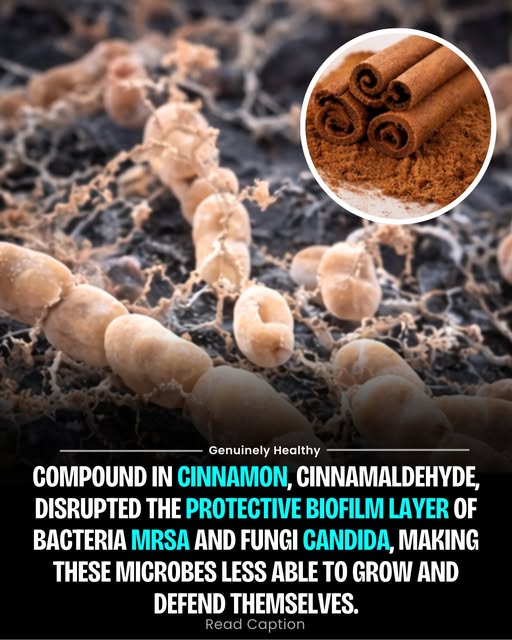
Cinnamaldehyde has demonstrated efficacy against a broad range of pathogens:
Gram-negative bacteria:
-
Escherichia coli
-
Pseudomonas aeruginosa
Gram-positive bacteria:
-
Staphylococcus aureus
-
Methicillin-resistant S. aureus (MRSA)
-
Enterococcus faecalis
-
Streptococcus mutans (dental biofilms)
Fungal pathogens:
-
Candida albicans
-
Non-albicans Candida species
Its antifungal action includes inhibition of hyphal transition and suppression of adhesion in Candida, key processes in fungal biofilm formation.
6. Synergistic Combinations and Drug Delivery Systems
6.1 Combination with Antibiotics
Cinnamaldehyde exhibits synergistic effects when combined with conventional antibiotics such as:
-
Vancomycin
-
Ciprofloxacin
-
Gentamicin
This synergy may:
-
Lower minimum inhibitory concentrations (MICs)
-
Restore antibiotic sensitivity in resistant strains
-
Reduce biofilm biomass more effectively than monotherapy
6.2 Nanotechnology-Based Delivery
Due to limitations in solubility and stability, researchers have explored advanced delivery systems:
-
Liposomes
-
Polymeric nanoparticles
-
Nanoemulsions
-
Hydrogels
These systems improve bioavailability, enhance stability, allow sustained release, and increase local concentration at infection sites.
ADVERTISEMENT
