ADVERTISEMENT
ADVERTISEMENT
Endometriosis: a whole-body, whole-life struggle…
On top of the mental impact, there’s a real-world price of women with endo losing about 6.3 work hours per week to their symptoms, sometimes jobs all together. That’s roughly 17% of a workweek, due to both absenteeism and reduced productivity at work.
Moreover, about 82.8% of that loss was from reduced concentration while at work (presenteeism), not just taking days off.
At home, women also miss roughly 4.8 hours of housework per week (about 15% of household tasks). In other words, a partner or hired help often has to pick up those chores.
About 34% of women with endo report serious problems with their partner because of the disease, and roughly 10% say it contributed to a breakup or divorce. Meanwhile, male partners often feel anxious, helpless, or excluded by the medical process.
If that sounds familiar, know you’re not alone in those feelings. The key is communication, but I’ll cover that next…
I like statistics, but these are scary, don’t you think?
Onto the relationship…
How can partners help (without “fixing”)?
Your loved one with endo needs empathy and validation more than anything. Think of these principles as relationship advice (not medical tips):
• Believe her pain. If she says she’s hurting or “something isn’t right,” start with “I believe you”. Even if it sounds unbelievable, trust that it feels real for her. Avoid saying things like “maybe you’re overreacting,” “everyone has bad cramps,” or “just push through.” Research shows that patients who feel believed by loved ones have less stress than those who are dismissed.
• Listen and empathize, don’t jump to solve. She may vent about a doctor, cry in pain, or just need to rant. You don’t have to have all the answers (and often you won’t). Try reflecting what she says: “That sounds incredibly painful – I’m so sorry you have to go through that.” Sometimes tears speak louder than facts. Silence and a hug can be better than any explanation. If she asks for advice or help, offer it gently; otherwise, just listen.
• Go to appointments together. If possible, accompany her to doctors. Two heads are better than one: you can take notes, ensure the doctor hears her concerns, and provide support if she’s overwhelmed by pain or jargon. Often doctors take partners more seriously (like “Oh, she has help backing her”). Plus, you’ll learn firsthand what the specialists say. Just sitting there attentively shows you care.
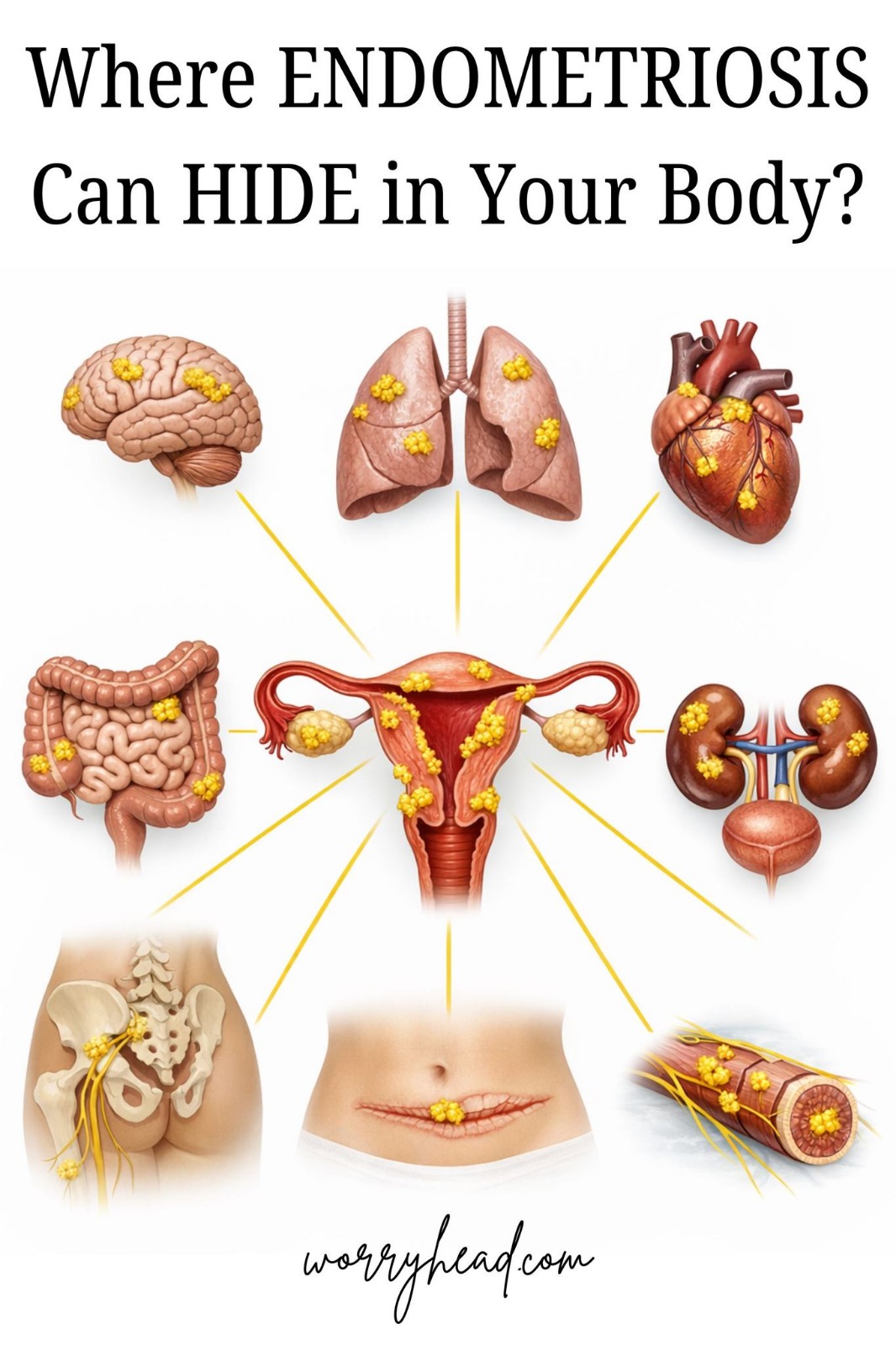
• Learn enough to be an advocate. Read reputable sources (like this!) so you understand endo’s scope. With knowledge, you can gently correct family or friends who make dismissive comments. (“Actually, endo can cause fatigue and pain beyond the uterus.”) You might also recognize red flags. If doctors seem to brush something off, you could ask pointed questions or suggest tests. For example: “Could this monthly shoulder pain be related to anything gynecological?” Just having partners speak up can prompt doctors to take those symptoms seriously.
• Help manage daily life. This one is huge. On bad days, take over chores: do the dishes, cook dinner, watch the kids. Help plan around her energy, if you know tomorrow is a “bad day,” reschedule obligations. Bring her a heating pad or make her favorite soothing tea. Small gestures say “I’m here and I see you.” Even if she insists she’s fine, offering will still make her feel loved.
• Encourage tracking and collaboration. Offer to help her keep a pain diary or use an app. Recording symptoms day-by-day (pain scores, bleeding, GI episodes) can reveal patterns to share with doctors. If she’s too tired to write, you can jot down things she mentions. This also makes her feel you’re in it together.
• Respect her limits, and set reasonable expectations. Chronic illness ebbs and flows. If she cancels plans or needs more sleep, be supportive. Gently encourage rest rather than pushing her too hard on good days. Likewise, don’t hide your own stress, it’s okay to say, “I’m scared and sad when I see you suffer,” but never in a way that makes her feel guilty. Frame it as “I’m upset about your pain,” not “you’re hurting me.”
• Look after yourself, too. Supporting someone with chronic illness is hard on partners as well. It’s normal to feel frustration, fear, or even resentment at times. Seek your own outlet: talk to friends, a counselor, or a partner group. Taking care of your mental health means you’ll be stronger for both of you in the long run.
Read more on next page
ADVERTISEMENT
