ADVERTISEMENT
ADVERTISEMENT
Well, you learn something new every day
While iron deficiency is the most commonly associated nutritional deficiency with pagophagia, other deficiencies can also play a role. For example, zinc deficiency has been linked to pica behaviors, including ice chewing. Zinc is essential for numerous bodily functions, including immune response and wound healing, and a deficiency can lead to a variety of symptoms.
Calcium deficiency is another potential factor. Although less common, some individuals with low calcium levels may experience cravings for ice. Ensuring a well-balanced diet rich in essential vitamins and minerals can help address these deficiencies and reduce cravings.
5. Oral Health Implications of Chewing Ice
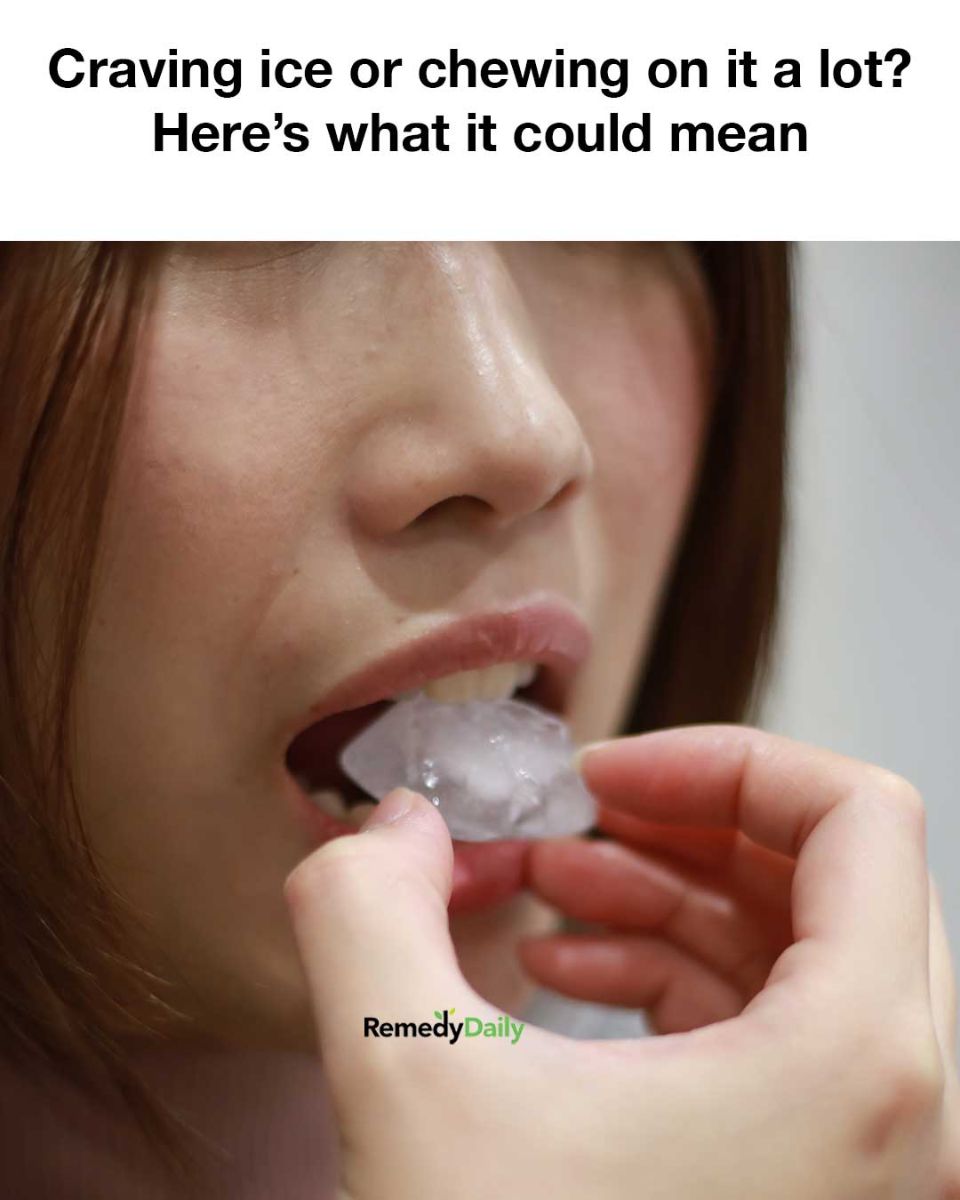
Chewing ice can have significant implications for oral health. The hardness of ice can cause damage to tooth enamel, leading to increased sensitivity and a higher risk of cavities. In severe cases, chewing ice can even result in cracked or chipped teeth, which may require costly dental repairs.
Additionally, the constant pressure and force exerted on the teeth while chewing ice can strain the jaw muscles and joints, potentially leading to temporomandibular joint (TMJ) disorders. If you frequently chew ice, it is important to be mindful of these potential oral health risks and consider seeking alternatives to satisfy your cravings.
6. The Role of Hydration and Thirst
Sometimes, a craving for ice can simply be a sign of dehydration. When the body is dehydrated, it may trigger a desire for cold, refreshing substances like ice to help cool down and rehydrate. Ensuring adequate water intake throughout the day can help alleviate this type of craving.
It’s important to note that excessive thirst and ice cravings can also be symptoms of underlying medical conditions such as diabetes. If you experience persistent thirst along with other symptoms like frequent urination or unexplained weight loss, it is advisable to consult a healthcare professional for further evaluation.
7. Pregnancy and Ice Cravings: Is There a Link?
Pregnancy is a time of significant physiological changes, and cravings for unusual substances, including ice, are not uncommon. Some pregnant women experience pagophagia, which may be linked to the increased nutritional demands of pregnancy, particularly iron.
While ice cravings during pregnancy are often harmless, they can sometimes indicate an underlying iron deficiency. Pregnant women should ensure they receive adequate prenatal care, including regular blood tests to monitor iron levels, to address any potential deficiencies and maintain optimal health for both mother and baby.
8. Cultural and Habitual Influences
Cultural and habitual factors can also influence ice cravings. In some cultures, chewing ice is a common practice, often associated with social activities or traditional remedies. For individuals who grew up in such environments, ice chewing may simply be a habit formed over time.
Additionally, personal habits and routines can contribute to the development of ice cravings. For example, individuals who frequently consume iced beverages may become accustomed to the sensation of chewing ice, leading to a habitual craving. Understanding these influences can help differentiate between cultural preferences and potential health concerns.
9. Viral Hacks: The Ice Chewing Trend on Social Media
Social media platforms have popularized various trends, including ice chewing challenges and hacks. These viral trends often showcase creative ways to enjoy ice, such as flavored ice cubes or ice-eating ASMR videos. While these trends can be entertaining, they may also contribute to the normalization of excessive ice chewing.
It’s important to approach these trends with caution and be mindful of the potential health implications of frequent ice chewing. While participating in social media challenges can be fun, it’s essential to prioritize oral health and overall well-being.
10. When to Seek Medical Advice
If you find yourself frequently craving ice or engaging in compulsive ice chewing, it may be time to seek medical advice. Persistent pagophagia can be a sign of underlying health issues that require attention. A healthcare professional can conduct a thorough evaluation, including blood tests, to identify any nutritional deficiencies or medical conditions.
Early intervention can help address the root cause of ice cravings and prevent potential complications. If you experience additional symptoms such as fatigue, dizziness, or unexplained weight loss, it is especially important to consult a healthcare provider for a comprehensive assessment.
11. Practical Tips to Manage Ice Cravings
If you’re looking to manage ice cravings, there are several practical strategies you can try. First, ensure you are consuming a balanced diet rich in essential nutrients, including iron, zinc, and calcium. Staying hydrated by drinking plenty of water throughout the day can also help reduce cravings related to thirst.
For those who chew ice out of habit or stress, finding alternative ways to cope can be beneficial. Consider chewing sugar-free gum or snacking on crunchy fruits and vegetables as a substitute. Additionally, practicing stress-reduction techniques such as deep breathing, meditation, or exercise can help alleviate anxiety-related cravings. If necessary, seek support from a healthcare professional or nutritionist to develop a personalized plan to address your specific needs.
ADVERTISEMENT
ADVERTISEMENT
