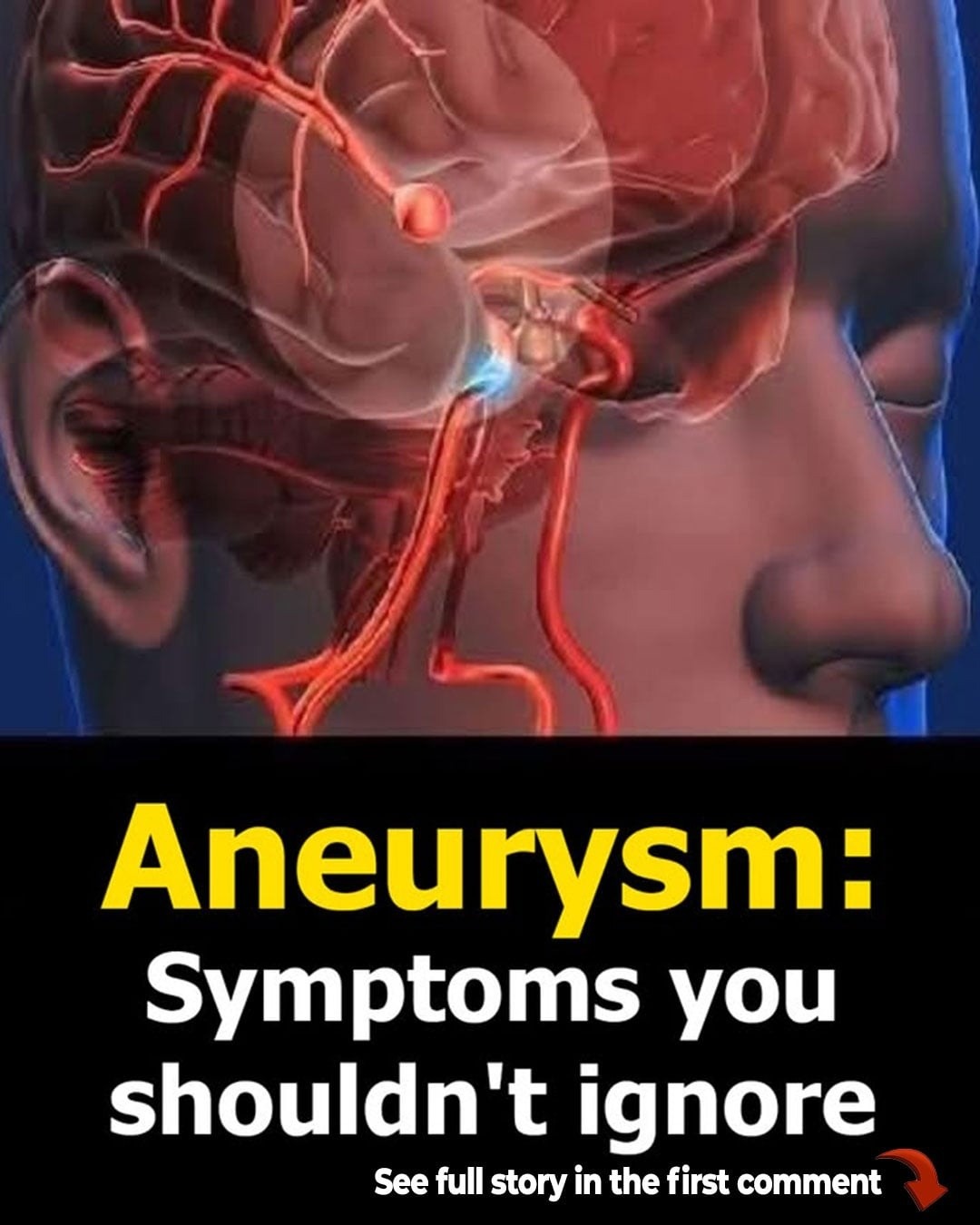
An aneurysm—a dangerous bulge in a blood vessel—often develops silently. Many people have no symptoms until it ruptures, which can be life-threatening. However, some unruptured aneurysms do cause subtle warning signs, especially as they grow or press on nearby structures.
⚠️ Important: Most aneurysms are asymptomatic. But if you experience new, severe, or unusual neurological symptoms, seek medical attention immediately. A ruptured aneurysm is a medical emergency.
🧠 Understanding Aneurysms
- Brain (cerebral) aneurysms are the most concerning—often at the base of the brain.
- Risk factors: Smoking, high blood pressure, family history, age (30–60), and certain genetic conditions (e.g., polycystic kidney disease).
- Rupture risk: Only ~1–2% of unruptured aneurysms rupture yearly—but when they do, 40% are fatal, and many survivors face disability.
🔍 12 Possible Warning Signs (Unruptured or Impending Rupture)
1. Sudden, Severe “Thunderclap” Headache
- The #1 sign of rupture: Feels like “the worst headache of your life,” peaking in seconds.
- Seek ER care immediately—this is a medical emergency.
2. Persistent Headaches in a New Pattern
- Unruptured aneurysms pressing on nerves may cause localized, recurring headaches (often behind/around one eye).
3. Vision Changes
- Blurred, double, or lost vision in one eye.
- Drooping eyelid (ptosis) or dilated pupil on one side—caused by pressure on cranial nerves.
ADVERTISEMENT
ADVERTISEMENT
