What Does Research Say About ADHD?
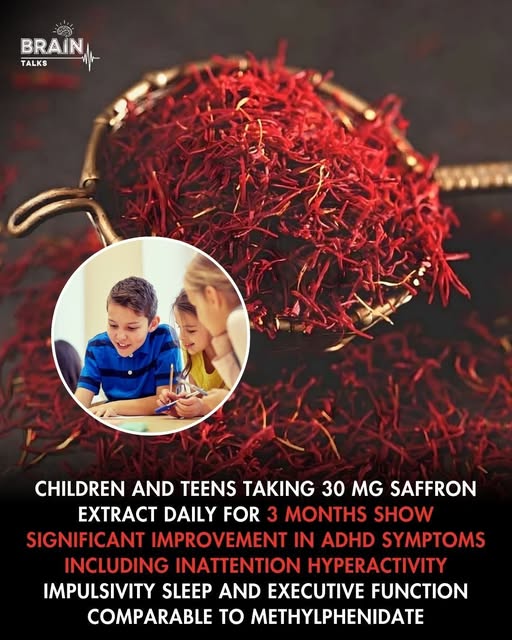
Several clinical studies have examined the effects of 30 mg of saffron extract daily in children and adolescents diagnosed with ADHD over a period of approximately three months.
The findings suggest that saffron supplementation may lead to:
-
Improved attention and focus
-
Reduced hyperactivity
-
Lower impulsivity
-
Better sleep quality
-
Enhanced executive function
Interestingly, some studies have reported that the effects were comparable to methylphenidate, a commonly prescribed stimulant medication for ADHD. However, it is important to understand what “comparable” truly means in a scientific context.
How Might Saffron Work?
Researchers believe saffron may influence ADHD symptoms through several mechanisms:
-
Modulating dopamine and serotonin levels
-
Reducing oxidative stress in brain cells
-
Supporting neuroprotective activity
-
Improving sleep regulation
Since ADHD is linked to neurotransmitter imbalance, saffron’s potential effects on dopamine pathways may partly explain the observed benefits.
ADVERTISEMENT
