Gastroscopy Remains an Important Diagnostic Test
When doctors need to directly examine the upper digestive tract, upper gastrointestinal endoscopy (gastroscopy) remains one of the key diagnostic procedures.
During an upper endoscopy, a flexible camera is passed through the mouth to examine the esophagus, stomach, and first part of the small intestine. If an abnormal area is found, doctors can take a biopsy for laboratory examination.
A biopsy is particularly important because suspicious tissue must be examined under a microscope to determine whether cancer is actually present.
This is very different from a blood or mouthwash test, which may potentially identify risk or provide clues but does not replace tissue diagnosis when cancer is suspected.
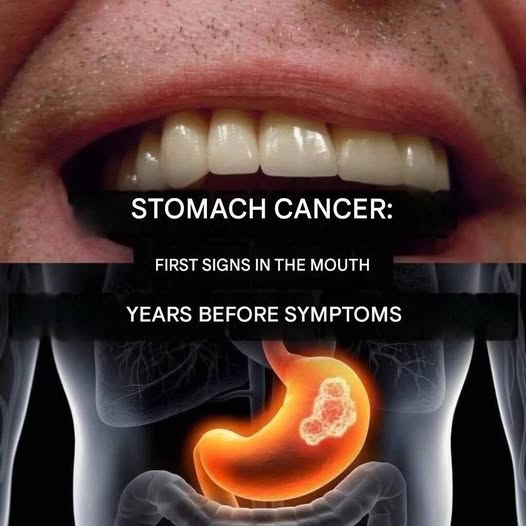
Could Changes in the Mouth Appear Before Stomach Cancer Symptoms?
This is one of the most interesting possibilities raised by the research.
The Rutgers researchers found similar oral microbiome patterns among people with gastric cancer and those with precancerous gastric conditions. This raises the possibility that changes in the oral microbiome could potentially become a way to identify individuals at elevated risk before cancer becomes advanced.
But researchers are still trying to understand why these microbial changes occur.
It is not yet known whether changes in oral bacteria contribute to stomach disease, result from changes elsewhere in the digestive system, or are influenced by other factors.
What Symptoms Should You Never Ignore?
Although early stomach cancer may cause few or nonspecific symptoms, possible warning signs can include:
- Persistent indigestion or discomfort
- Frequent bloating
- Feeling full unusually quickly
- Persistent nausea
- Difficulty swallowing
- Unexplained weight loss
- Loss of appetite
- Persistent stomach pain
- Vomiting
- Blood in the stool or black, tarry stools
- Unexplained anemia or fatigue
These symptoms are not specific to stomach cancer and are often caused by much more common conditions. However, persistent or worsening symptoms should be discussed with a healthcare professional.
ADVERTISEMENT
