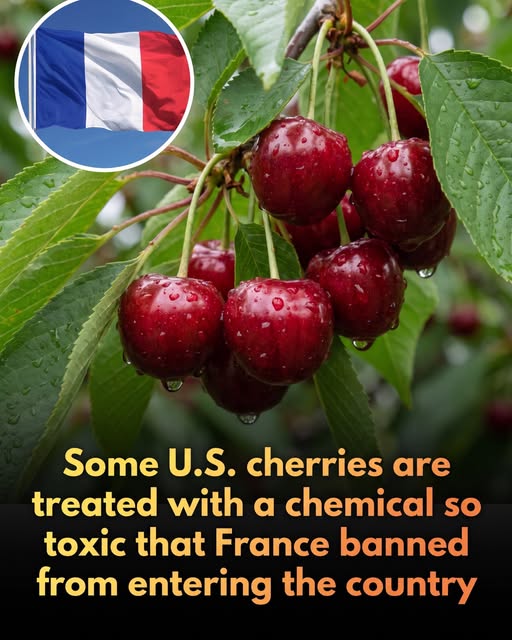
Two Different Regulatory Philosophies
The disagreement surrounding dimethoate reflects a broader difference between the regulatory philosophies often associated with the European Union and the United States.
The European Precautionary Principle
European regulators frequently apply the precautionary principle. Under this approach, if scientific evidence raises credible concerns that a substance may pose significant risks, regulators may restrict or prohibit its use even before every scientific uncertainty has been resolved.
Supporters argue that protecting public health and the environment should take priority whenever important uncertainties remain.
The U.S. Risk-Based Approach
In contrast, U.S. regulatory agencies generally employ a risk assessment framework. Rather than banning a substance because it may be hazardous under some circumstances, regulators assess whether the expected level of exposure falls within safety margins established through toxicological studies.
If the estimated exposure is considered acceptable under labeled conditions of use, the pesticide may continue to be approved while additional scientific evidence is gathered.
Neither system is inherently simple. Both rely on scientific review, but they differ in how uncertainty is managed and how much evidence is required before regulatory action is taken.
The Broader Debate About Modern Agriculture
The controversy extends beyond a single pesticide.
Modern agriculture faces the difficult challenge of feeding a growing global population while minimizing environmental impacts and protecting human health. Farmers must contend with insects, plant diseases, drought, changing climates, and increasing production costs.
Pesticides have contributed to higher crop yields and reduced losses, helping maintain reliable food supplies. However, concerns remain regarding:
- Long-term human exposure to pesticide residues.
- Effects on pollinators such as bees.
- Declining biodiversity.
- Soil and water contamination.
- The development of pesticide-resistant insects.
- Environmental sustainability.
Finding the right balance between agricultural productivity and environmental protection remains one of the central challenges of food policy worldwide.
ADVERTISEMENT
